Lanyards
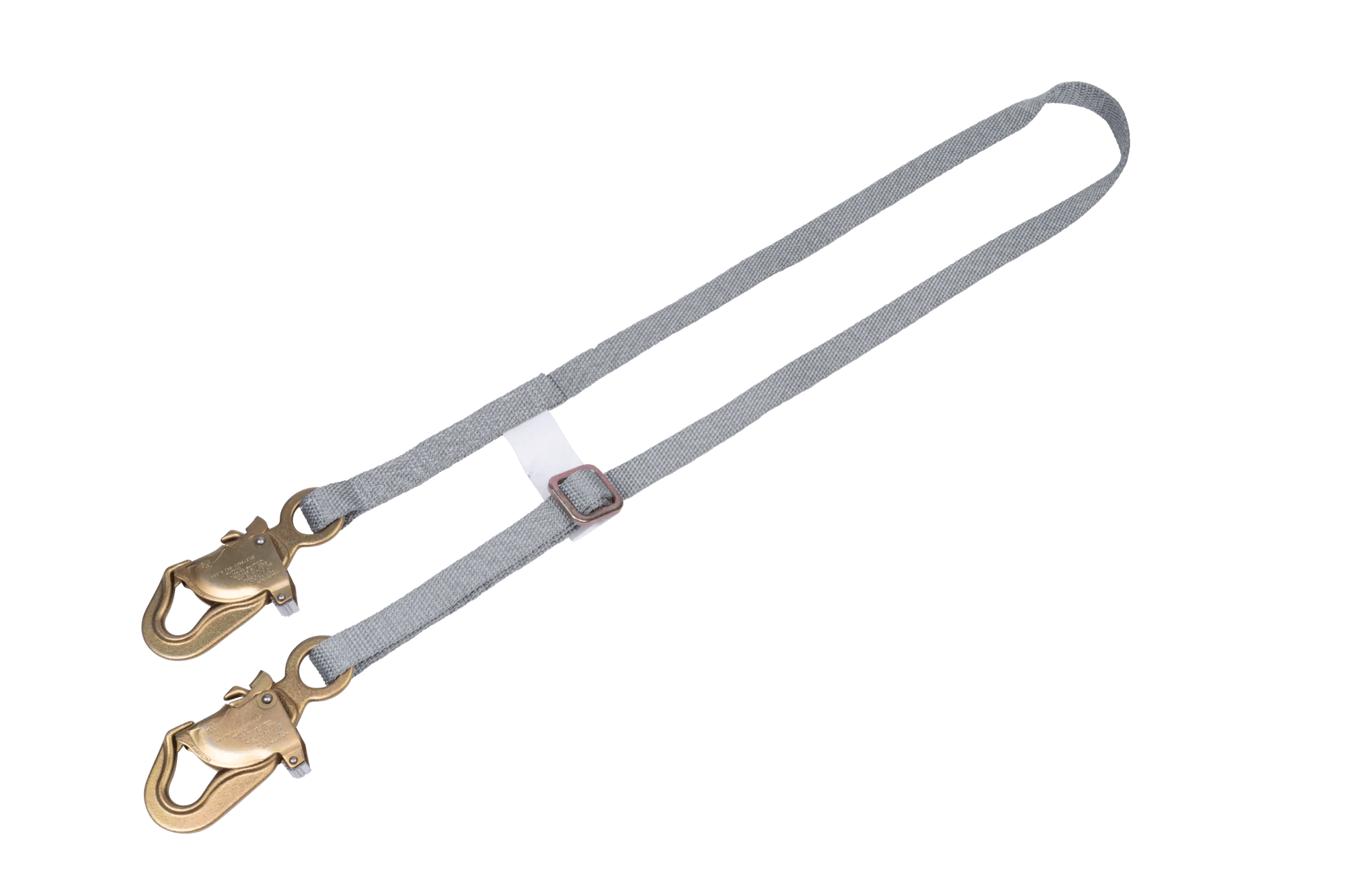
From 3-foot positioning to 20-foot restraint. Web, cable, rope or Kevlar®. Single or twin leg. Fall Safe lanyards are configured for the job in front of you.
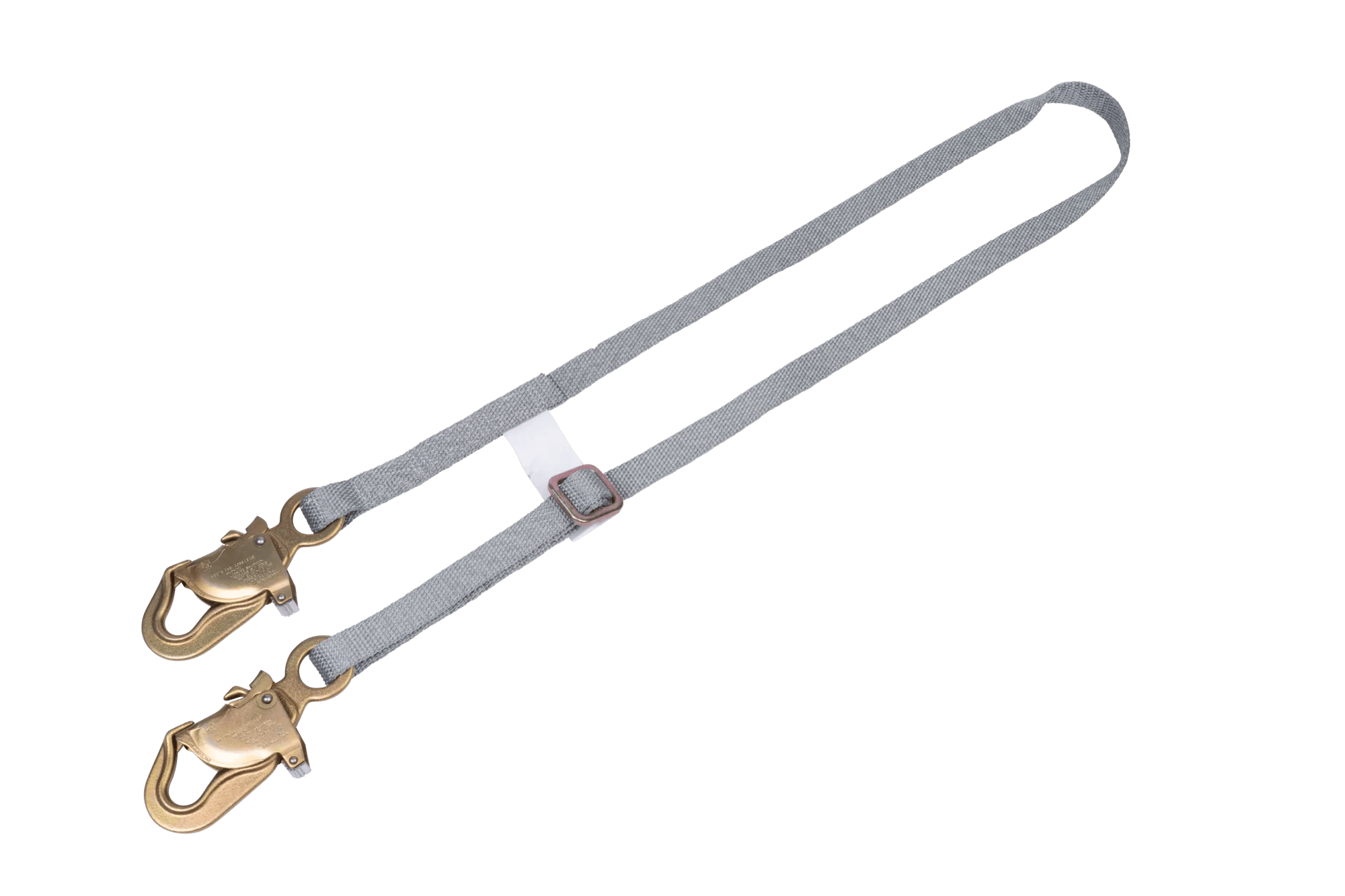
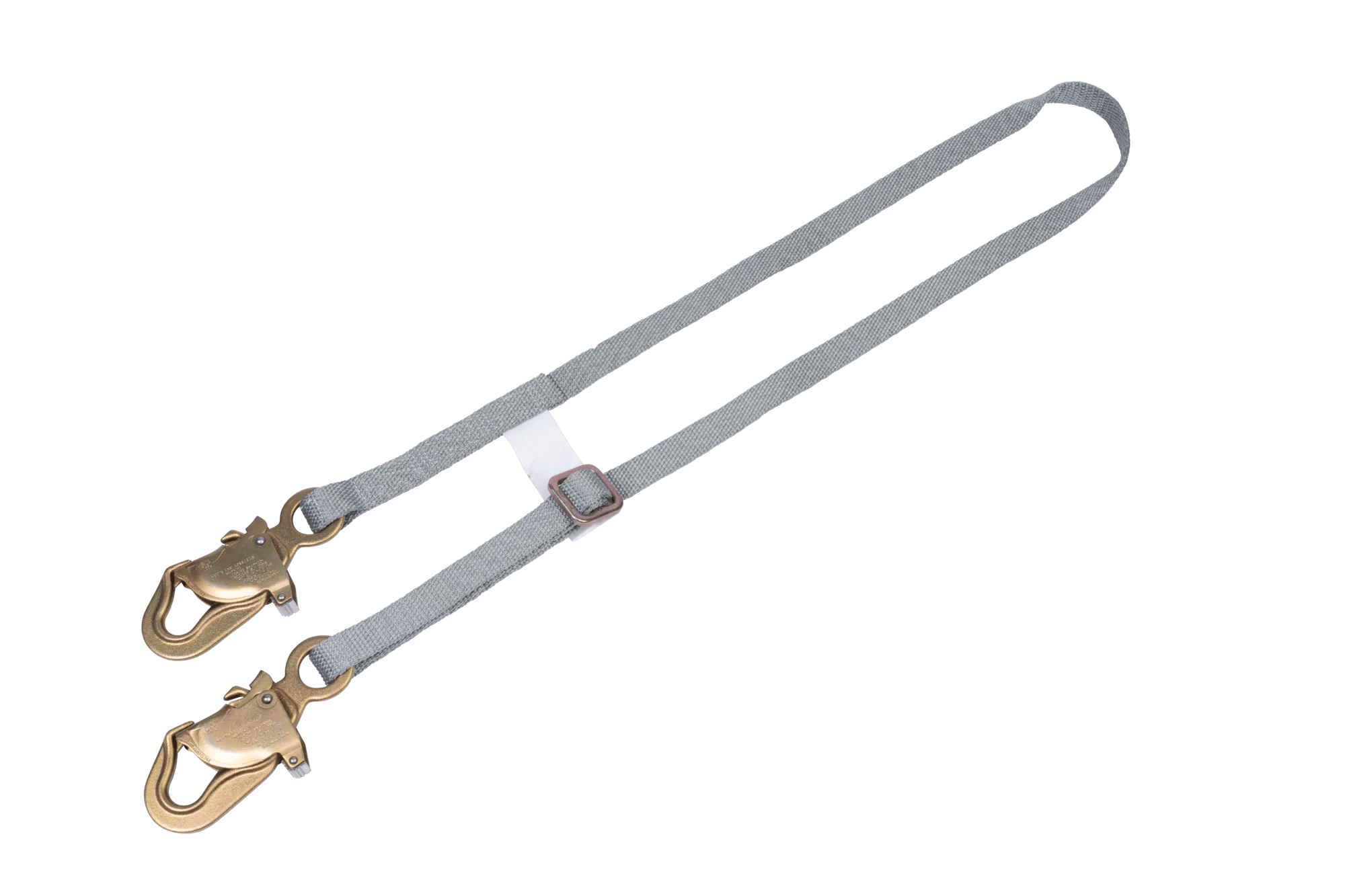
Single Adjustable Restraint Lanyard, Tie Back Snaphooks
Single Man Lift Restraint Lanyard
Skyline™ Shock Absorber Lanyard, Twin, 6-ft.
Skyline™ Shock Absorber Lanyard, Twin, 6-ft. Snaphook
Skyline™ Shock Absorber with Webbing
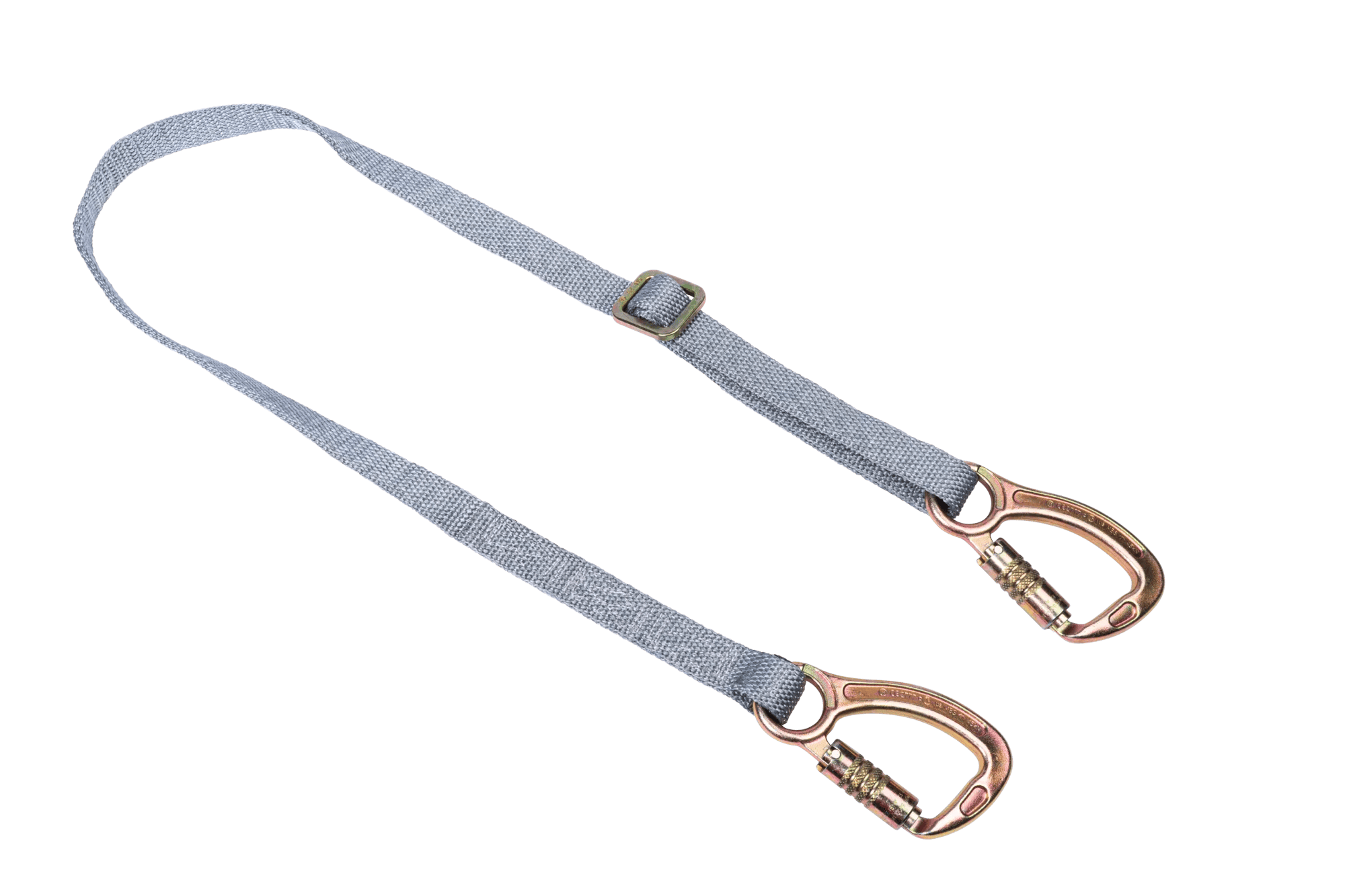
Skyline™ Shock Absorber, Captive Eye Carabiner
Skyline™ Shock Absorber, Quick Link
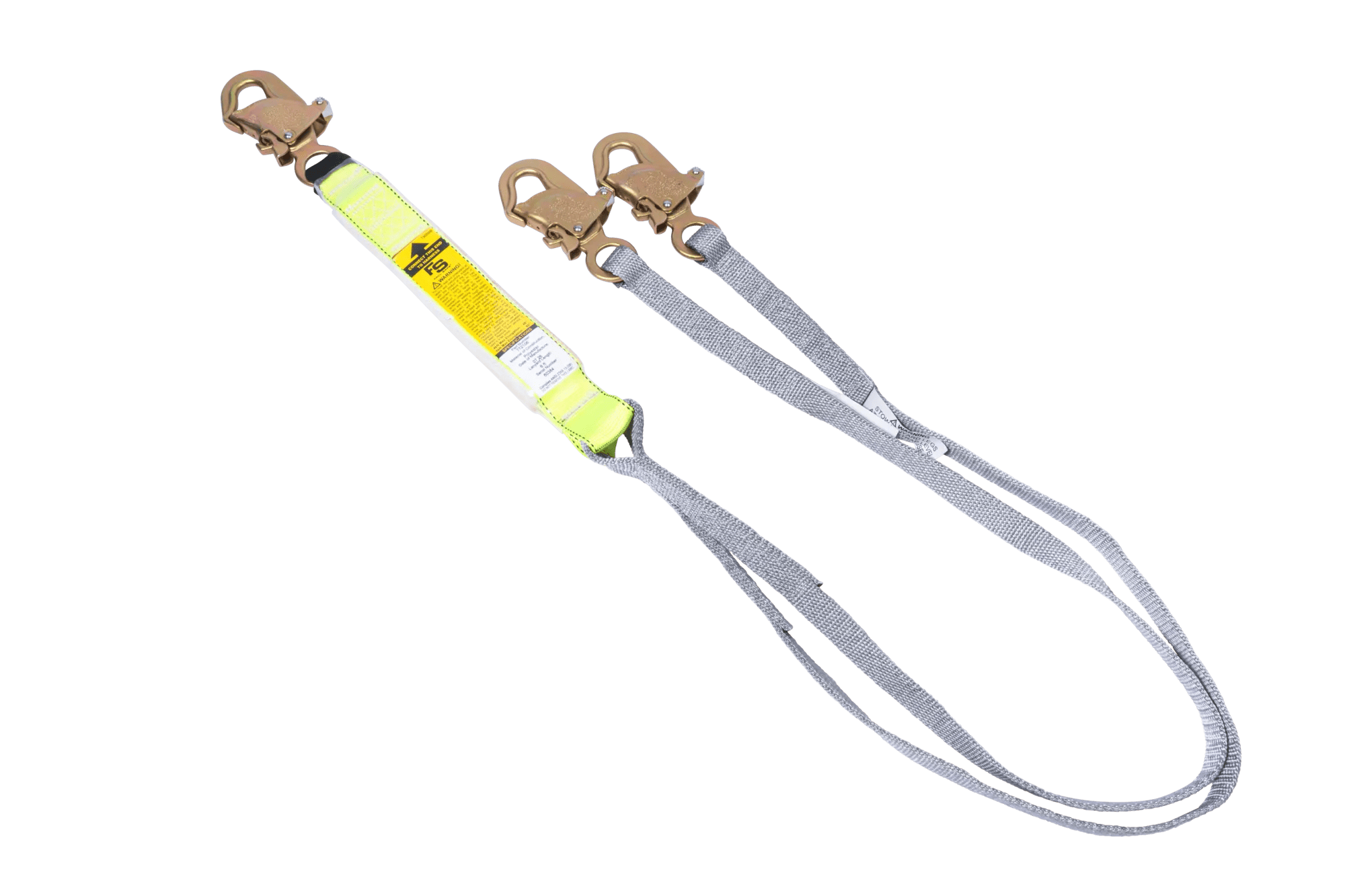
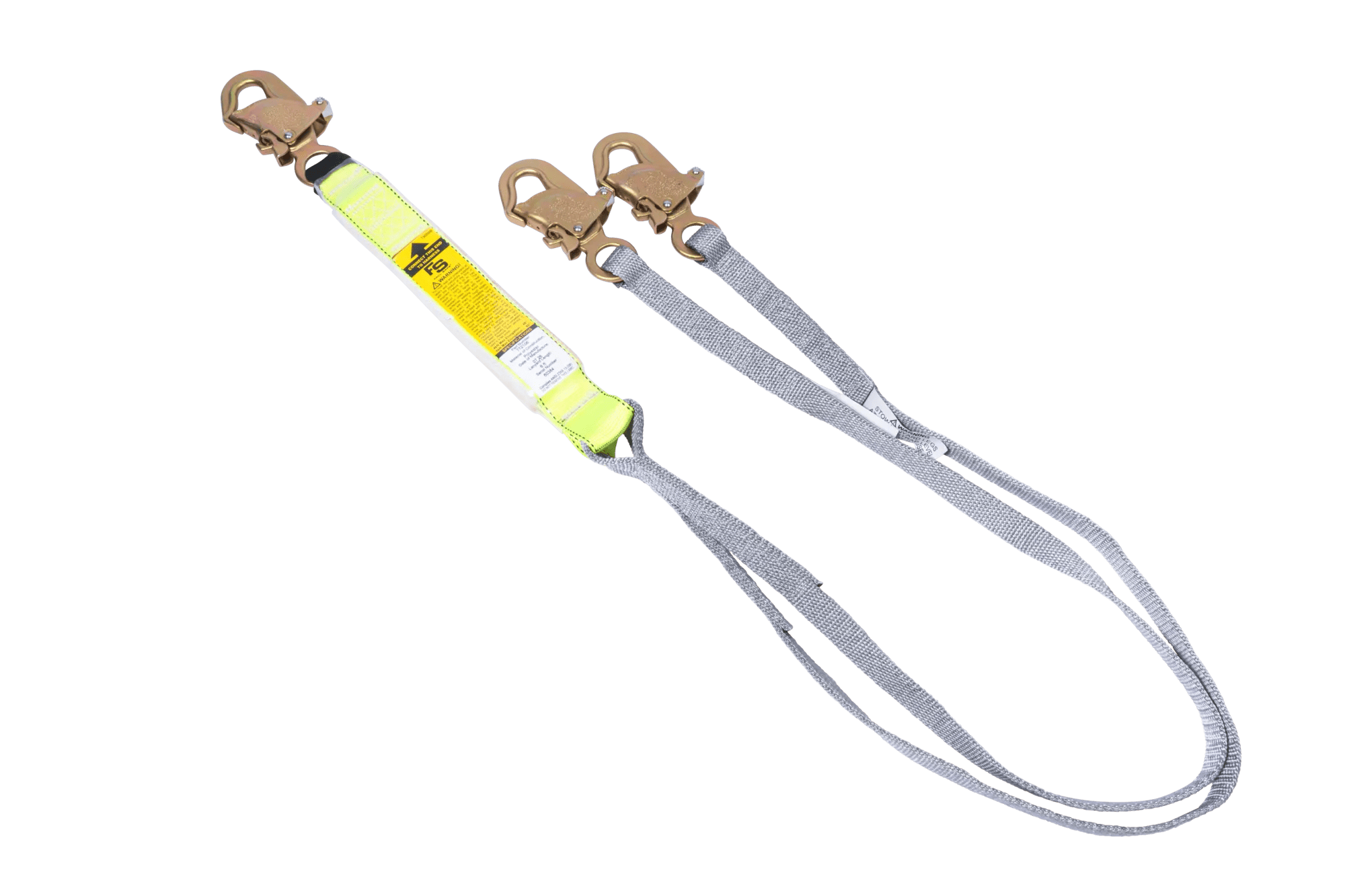
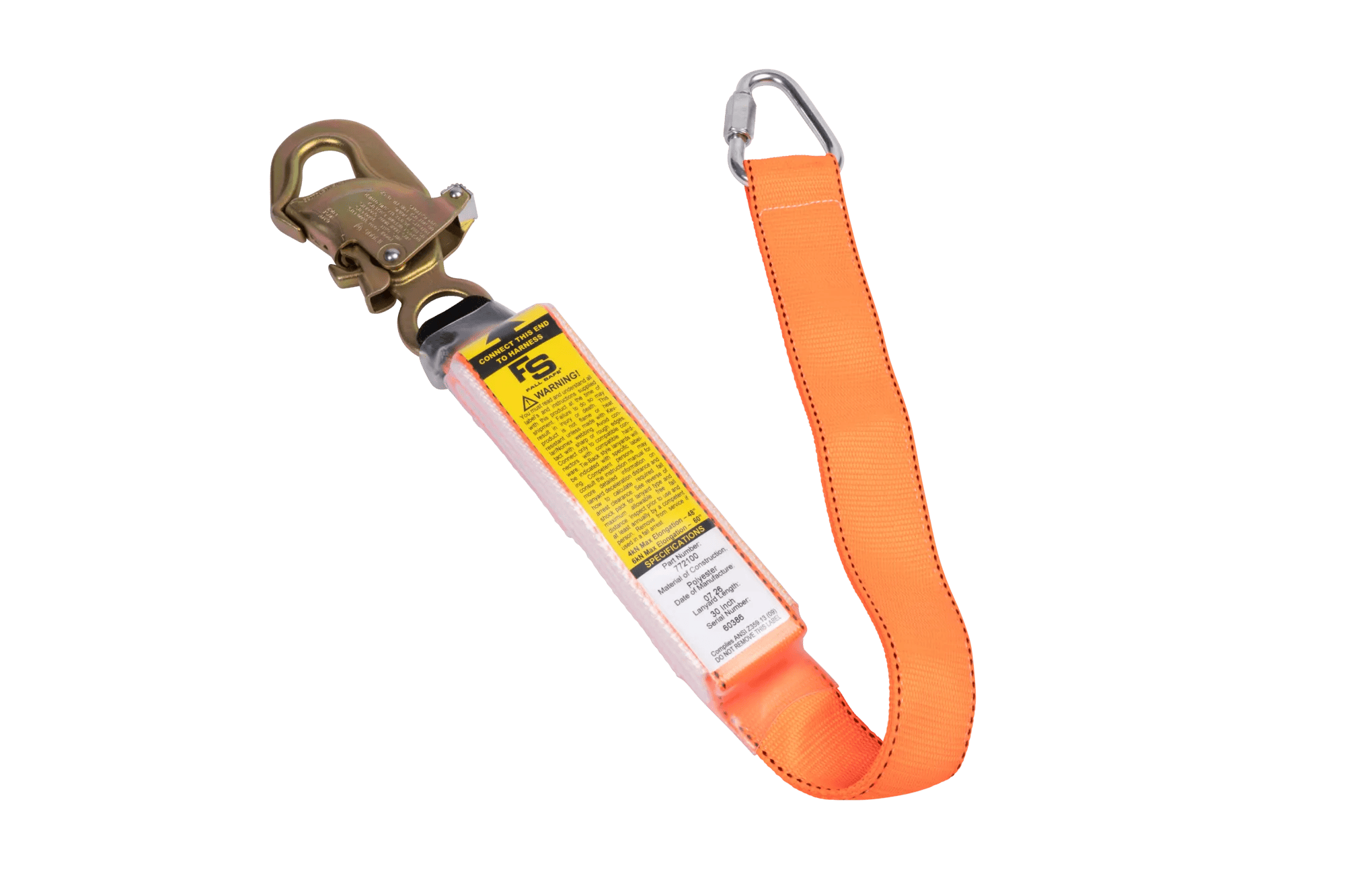
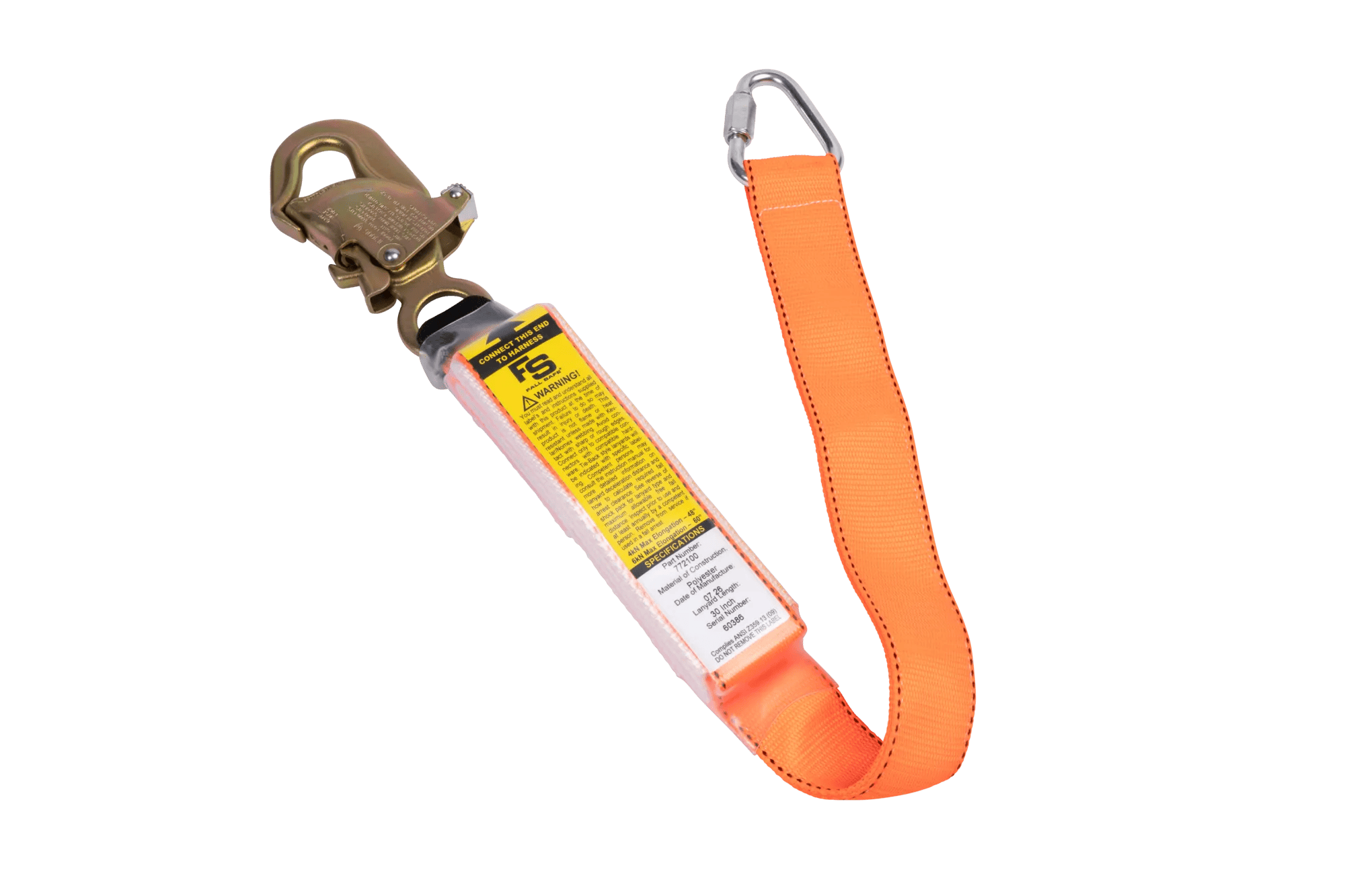
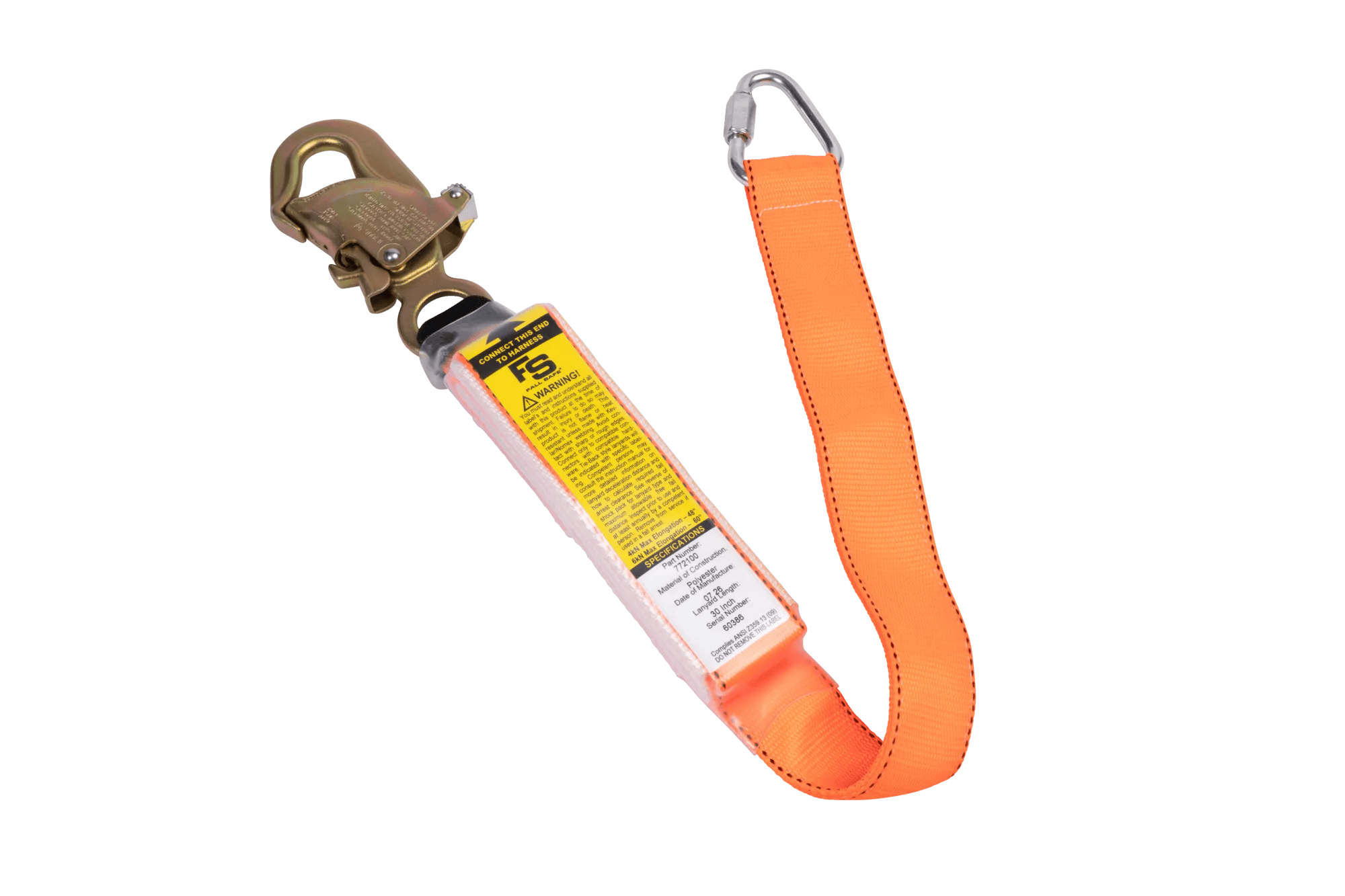
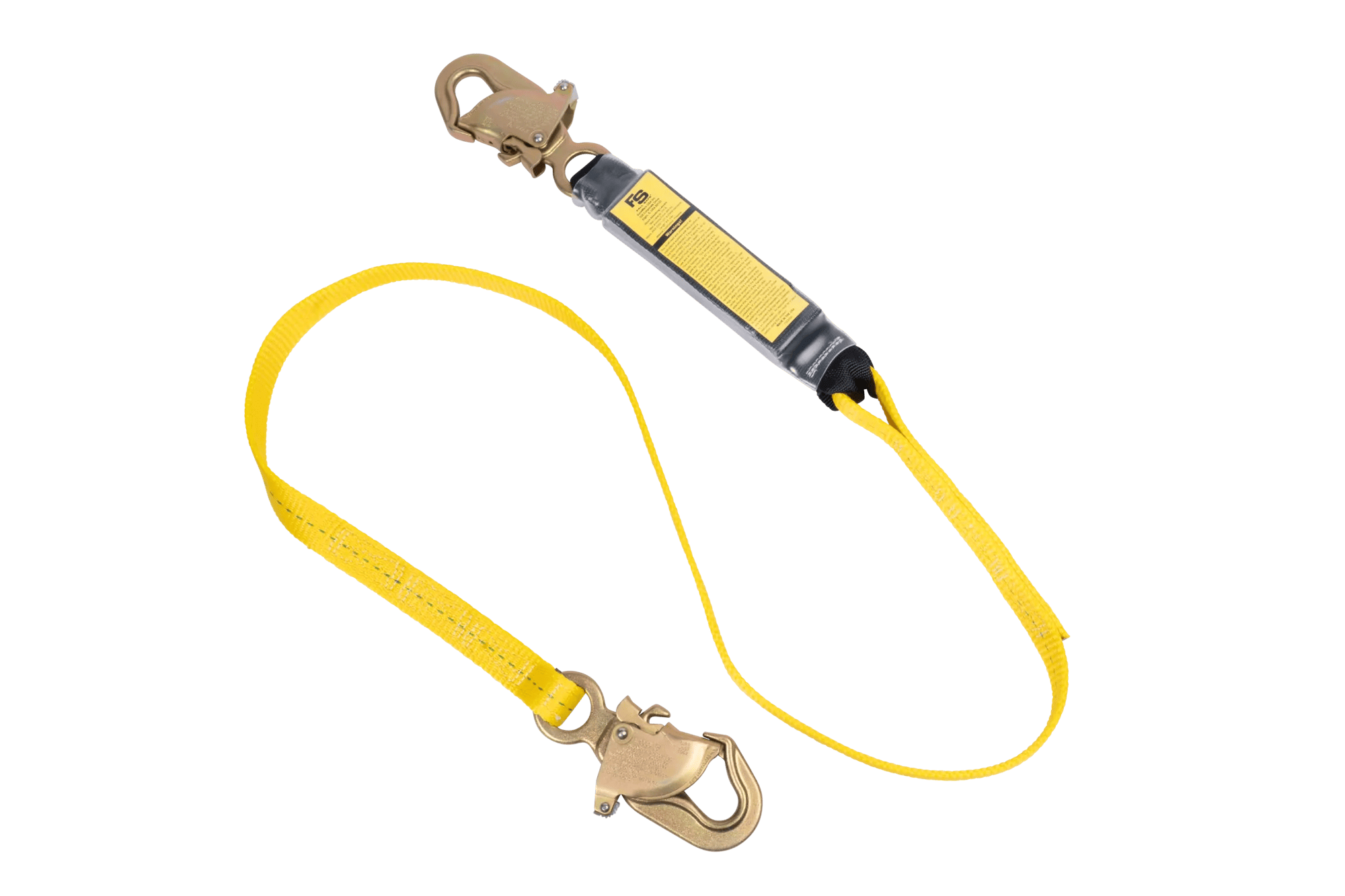
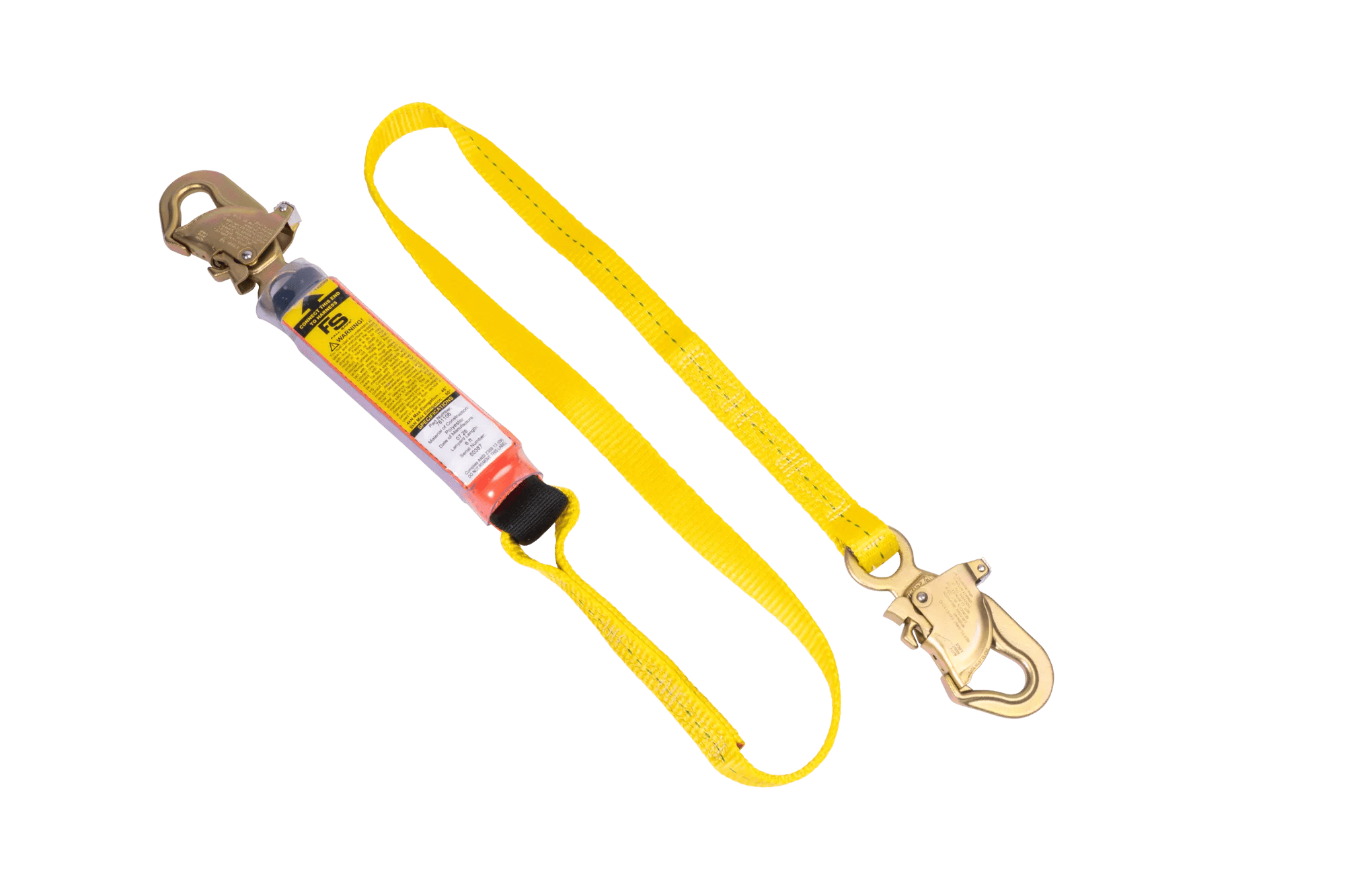
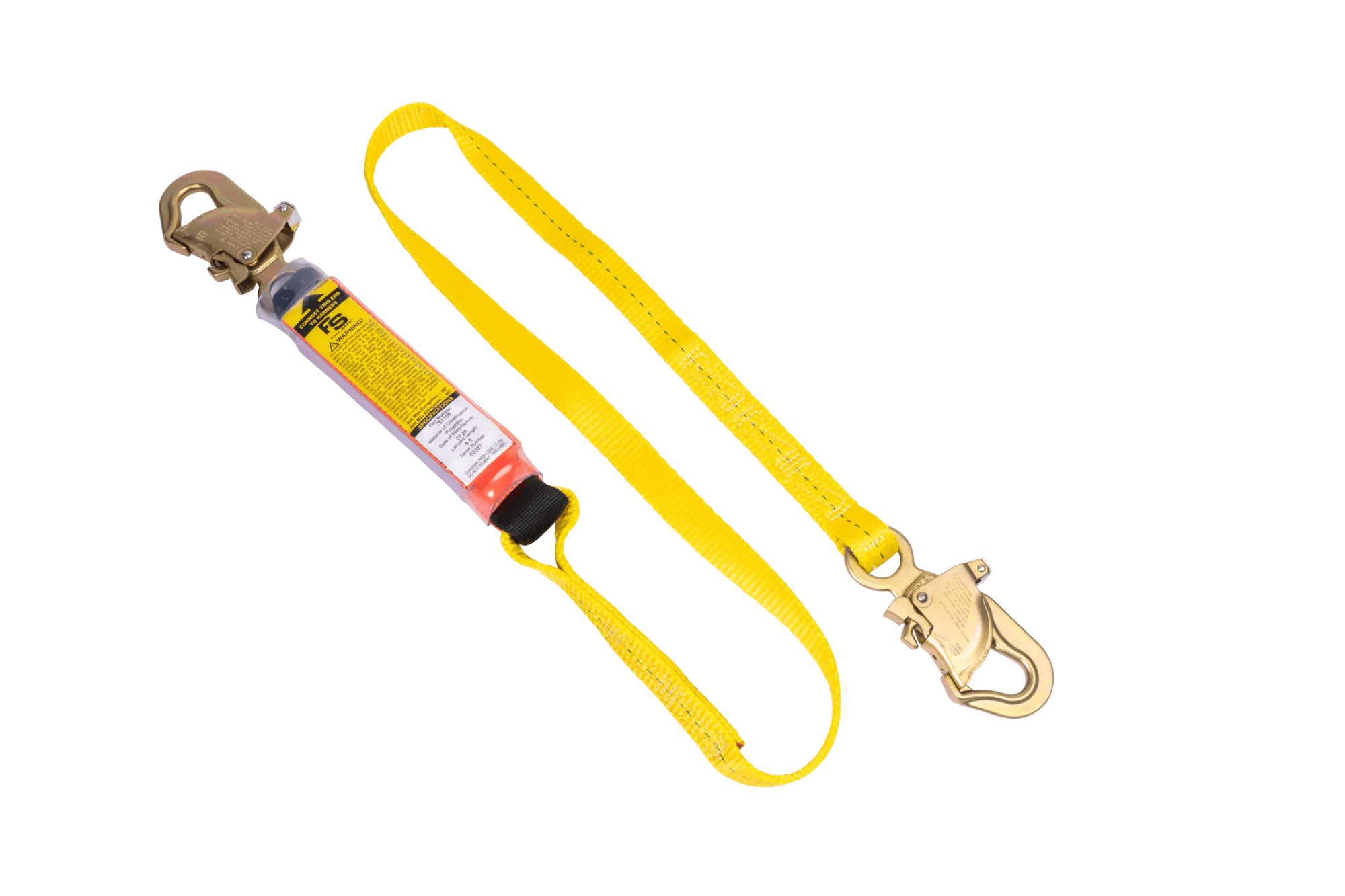
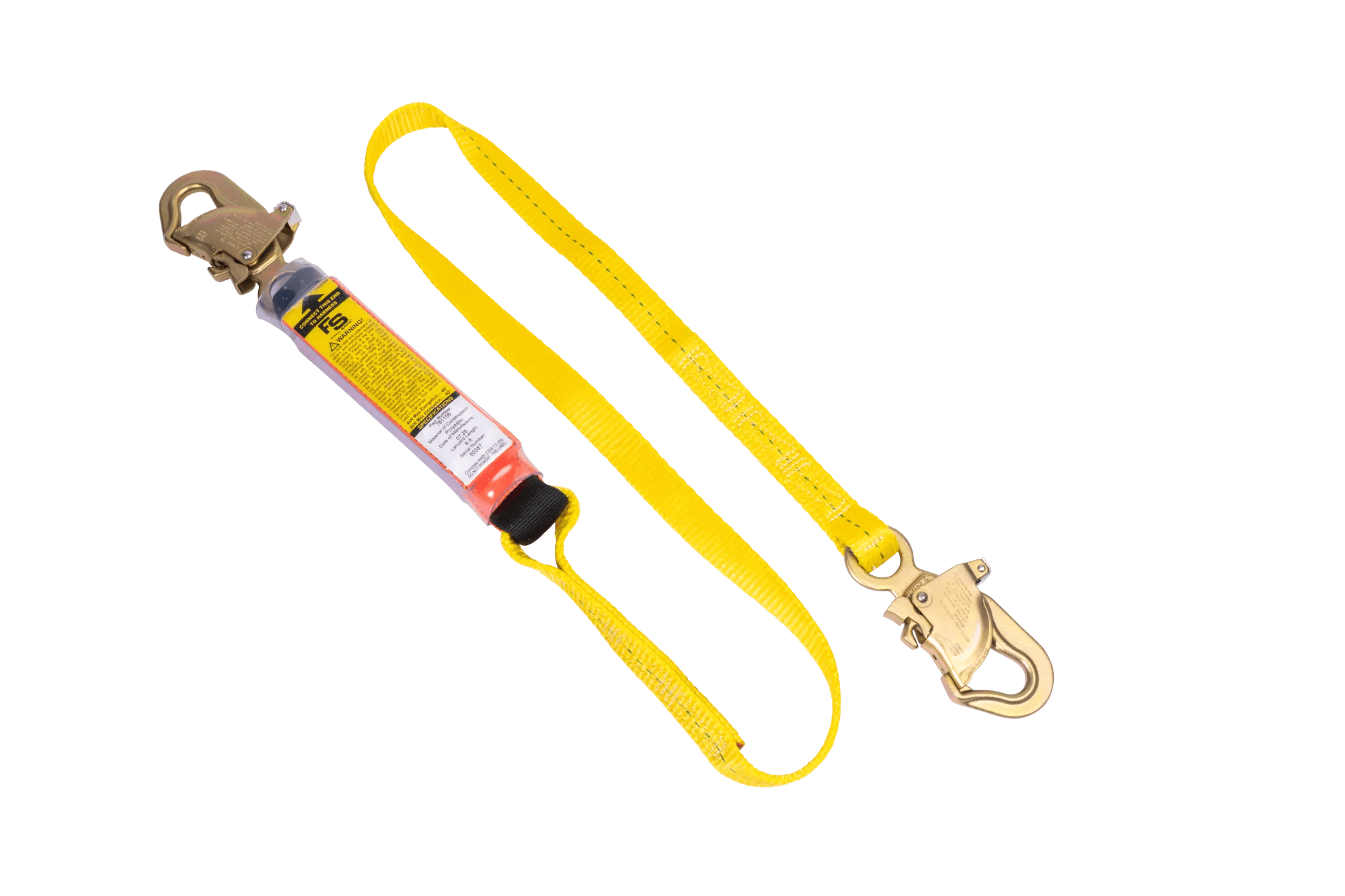
Skyline™ Shock Absorbing Lanyard, Single, Snaphook
Skyline™ Shock Absorbing Lanyard, Single, Thin Nose Rebar Hook
Skyline™ Shock Absorbing Lanyard, Single, Tie-Back Snap
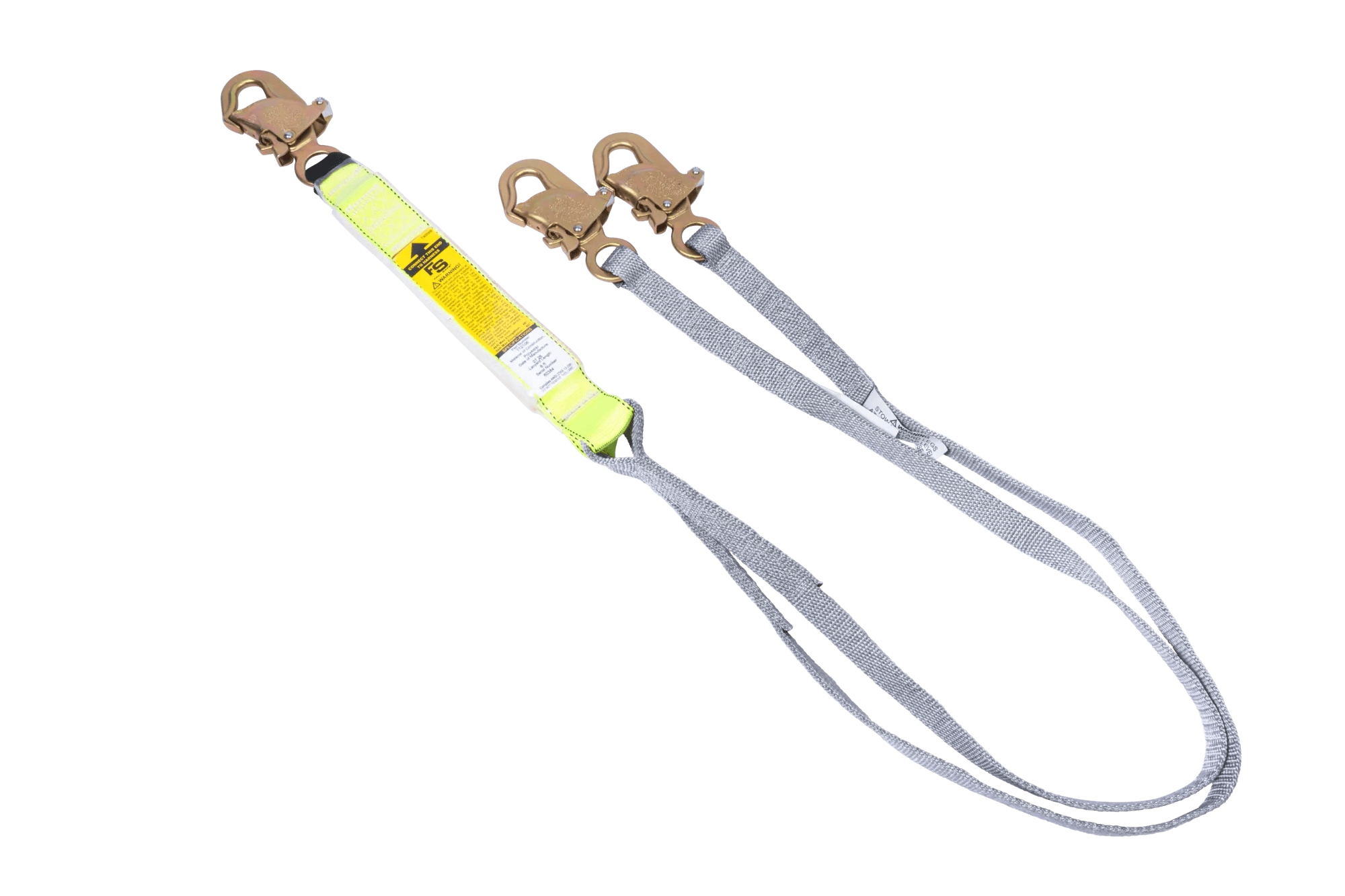
Skyline™ Shock Absorbing Lanyard, Twin, 6-ft.
Skyline™ Shock Absorbing Lanyard, Twin, Rebar Hook
Skyline™ Shock Absorbing Lanyard, Twin, Snap Hooks
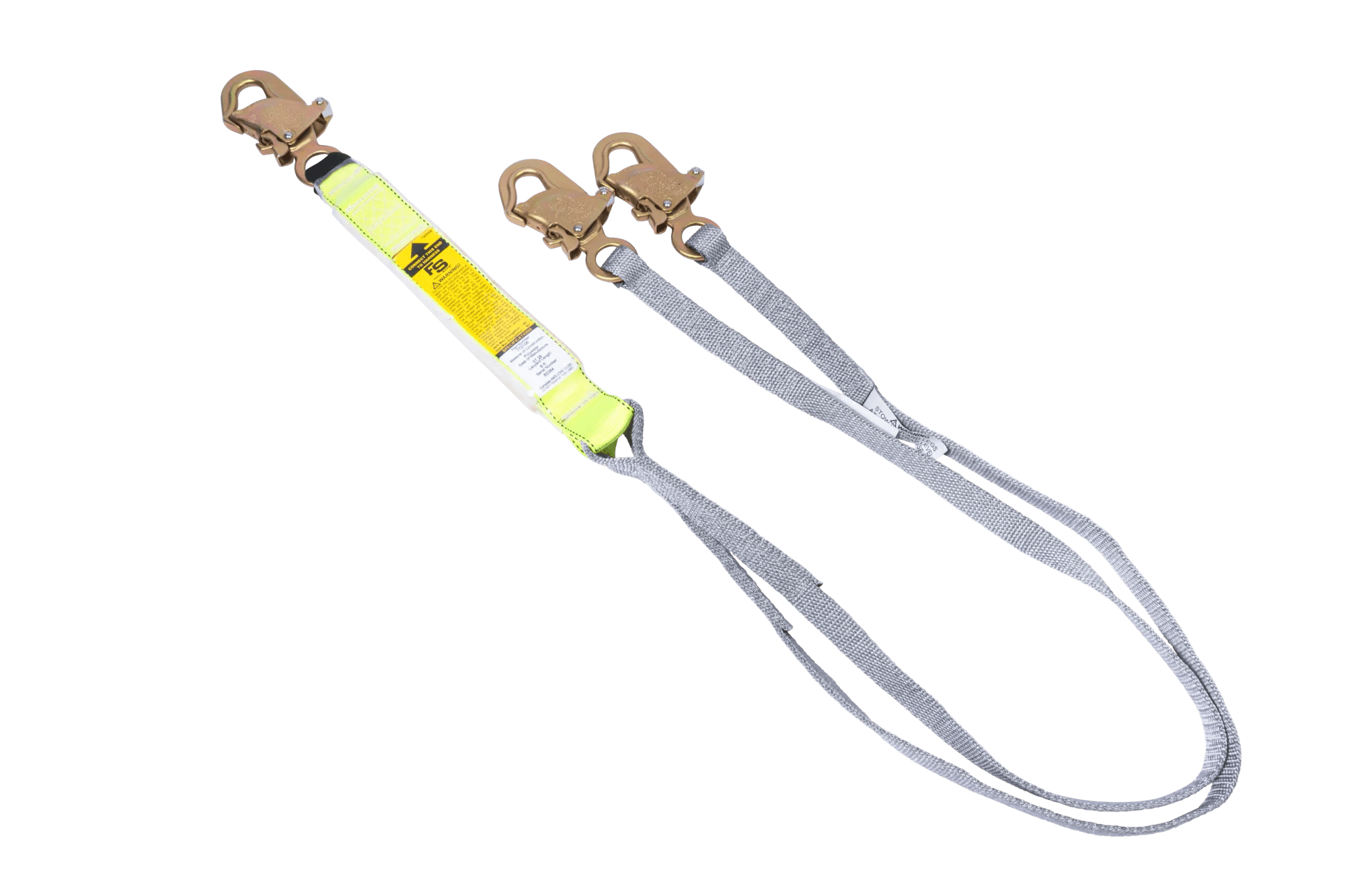
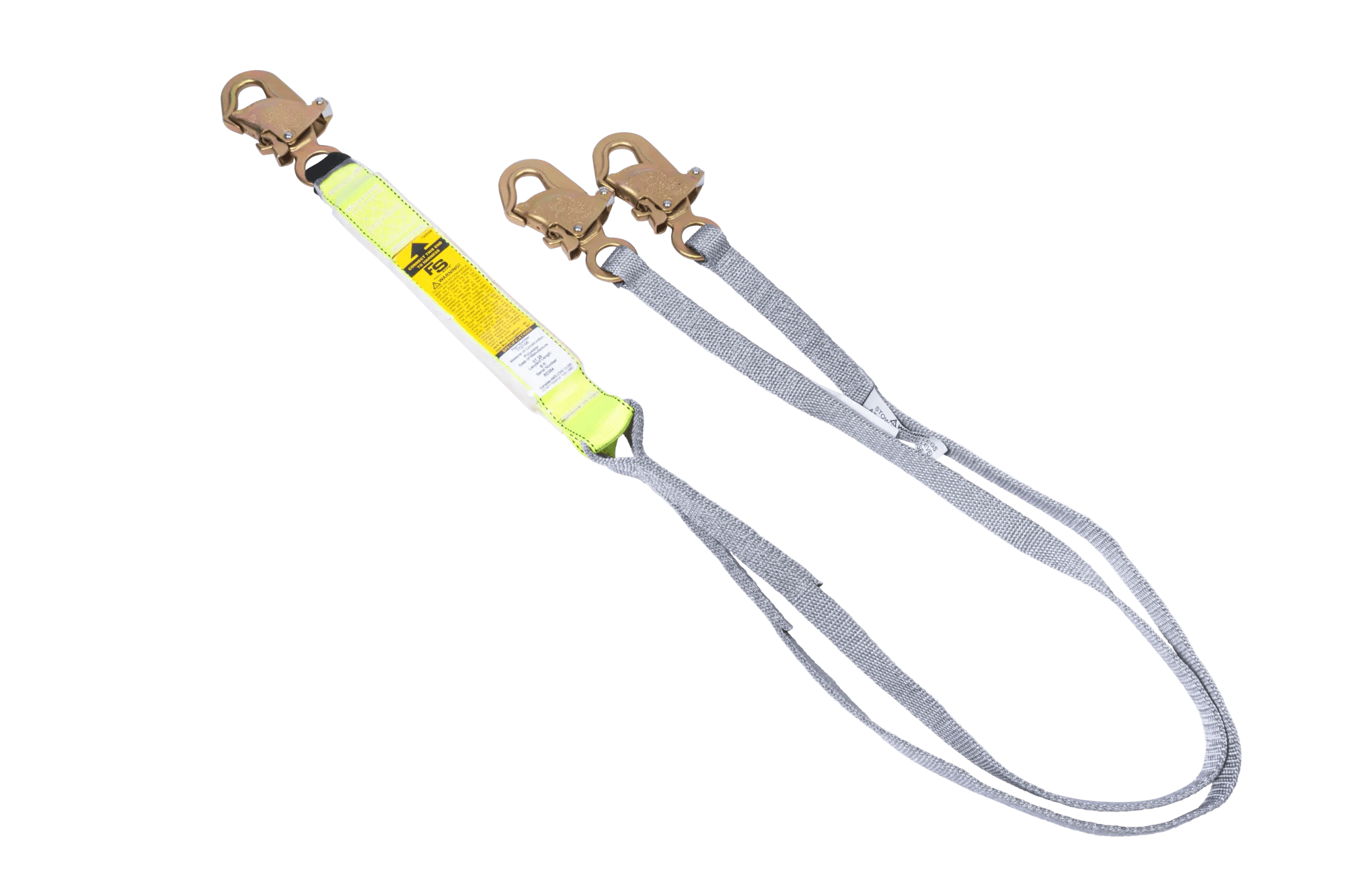
Skyline™ Shock Absorbing Lanyard, Twin, Snap Hooks, Gray Web
Skyline™ Shock Absorbing Lanyard, Twin, Snaphook
Skyline™ Shock Absorbing Lanyard, Twin, Tie-Back Snap
Skyline™ Shock Absorbing Lanyard, Twin, Tie-Back Snaps
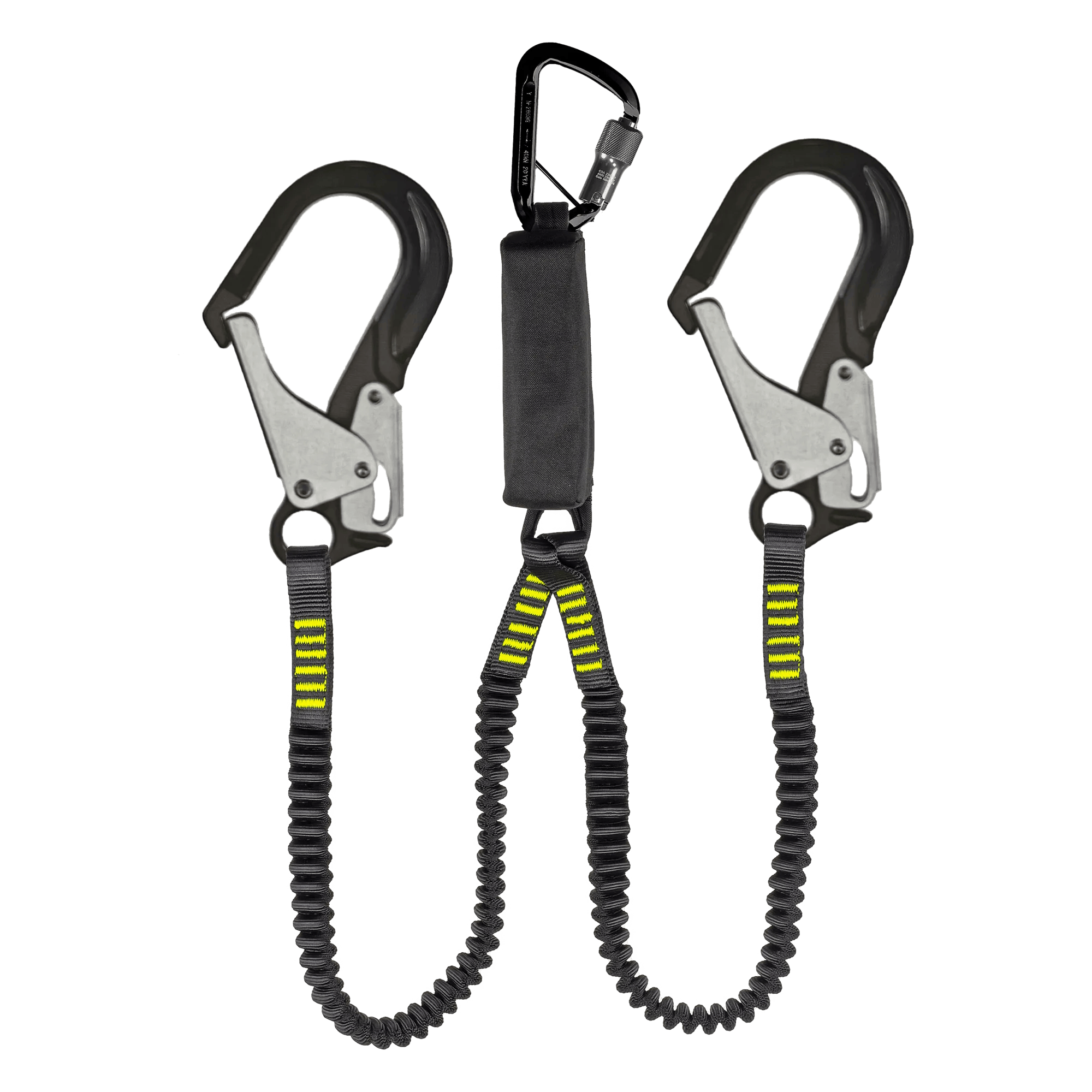
Stretx Shock Absorbing Lanyard, Twin
Vertical Lifelines
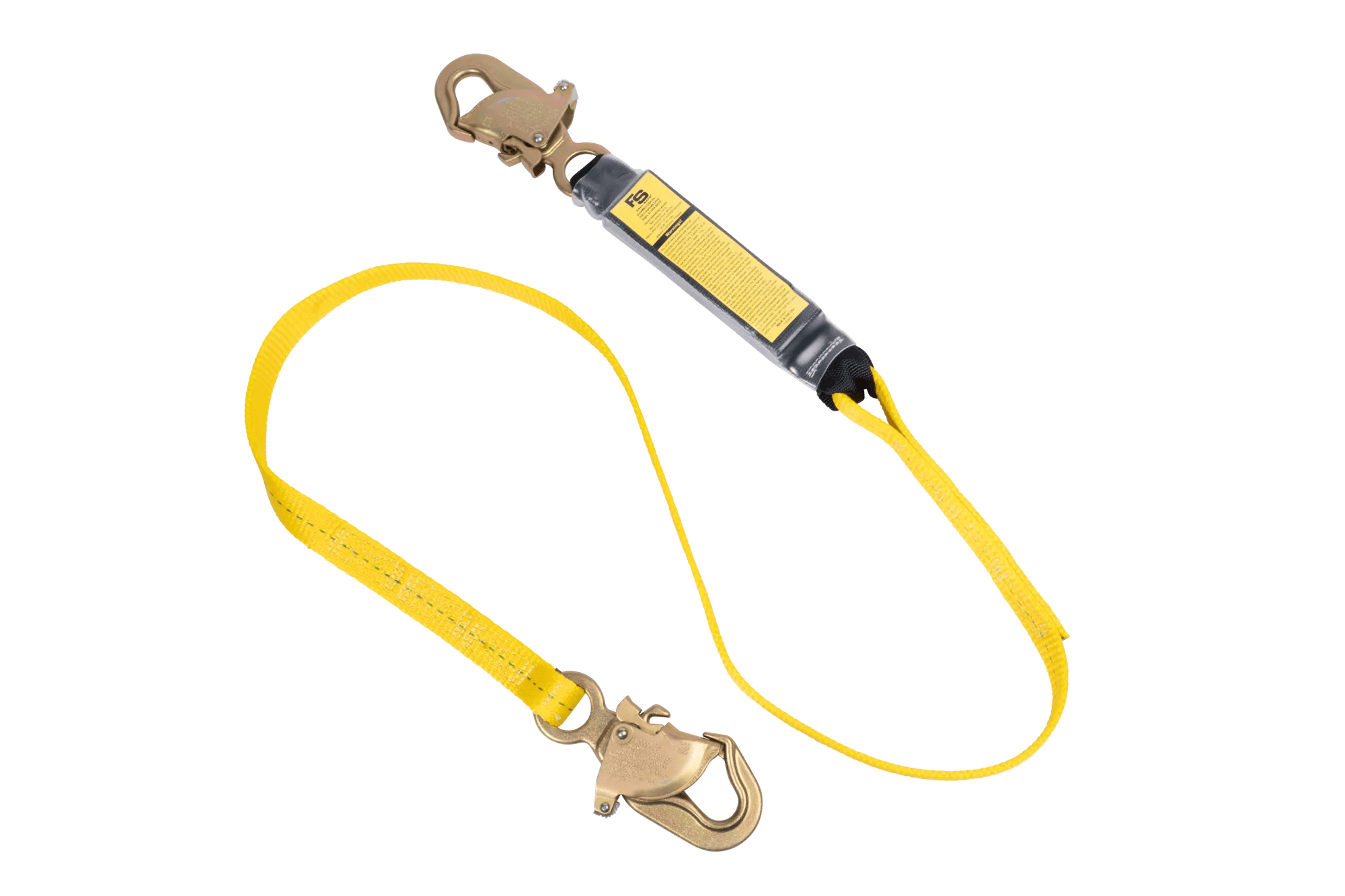
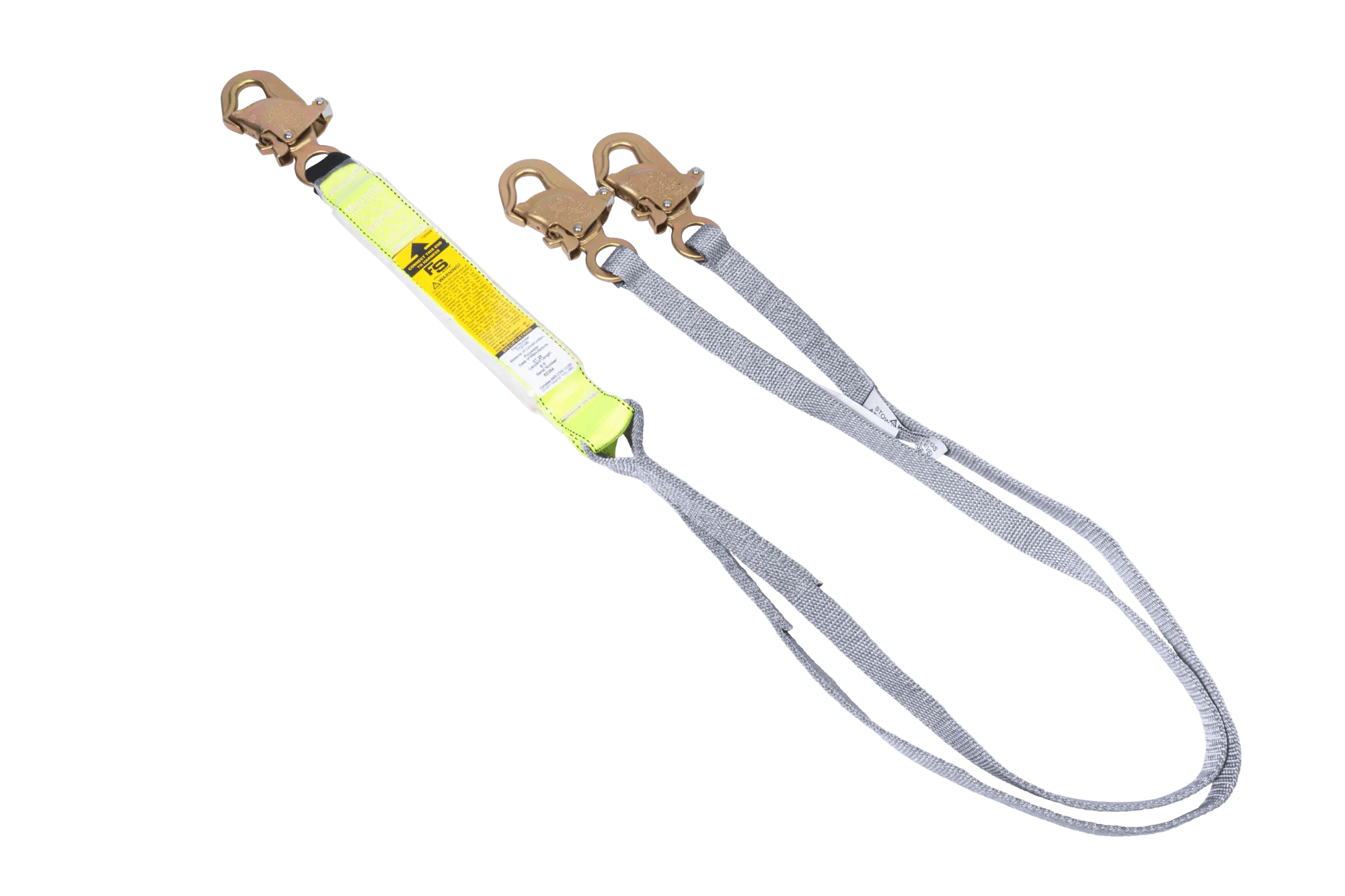
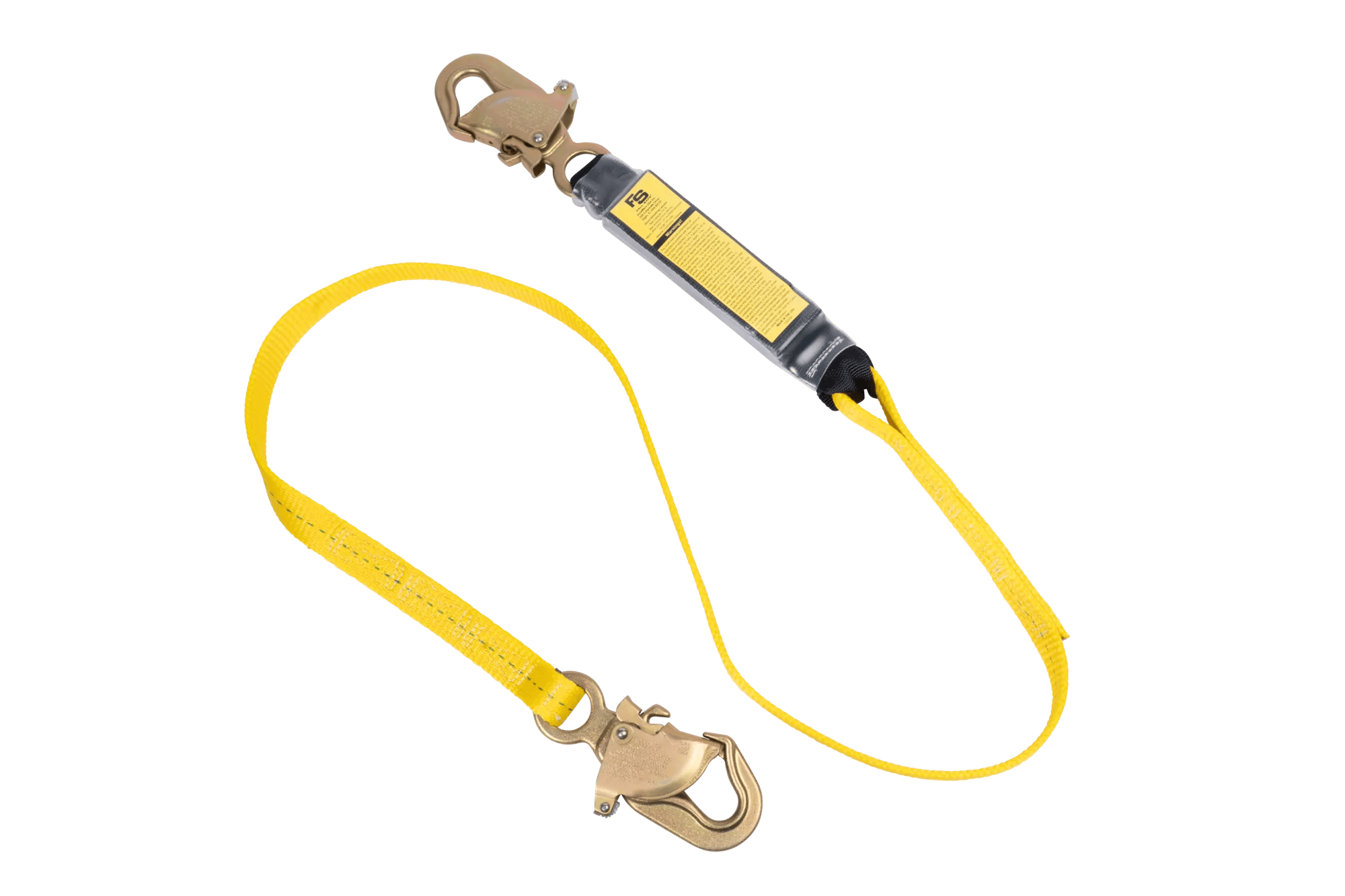
Frequently Asked Questions
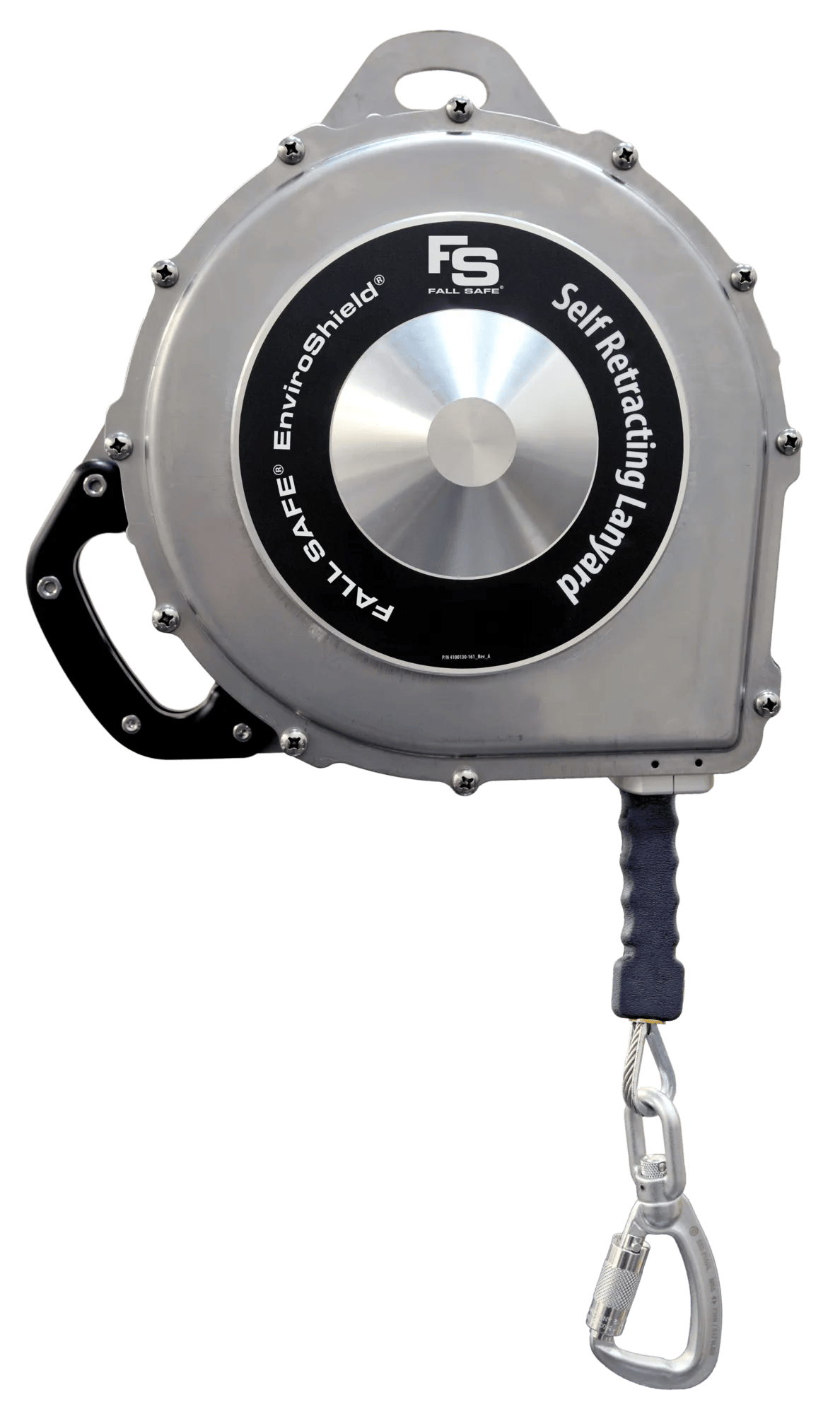
A shock-absorbing (energy-absorbing) lanyard is a fixed-length connector, usually 6 ft or shorter, with an energy absorber that deploys during a fall to reduce the force on the worker. A self-retracting lifeline (SRL) extends and retracts as the worker moves, then locks quickly when a fall begins. Because an SRL takes up slack, an overhead SRL usually limits free fall and needs less clearance below the work area. Lanyards are lighter and simpler, and work well where there's enough clearance and the worker stays near the anchor. Shock-absorbing lanyards are covered by ANSI Z359.13 and SRLs by ANSI Z359.14.
With a 6 ft shock-absorbing lanyard anchored at dorsal D-ring height, plan for about 18 to 19 ft of clearance between the anchor and the nearest obstruction below.
A typical calculation adds:
6 ft of lanyard length (free fall)
Up to 4 ft of deceleration distance as the energy absorber deploys
About 1 ft of harness stretch and D-ring shift
About 5 ft from the D-ring to the bottom of the worker's feet
A safety margin, commonly 2 to 3 ft
Always use the clearance figures in the product's user instructions. Anchoring below the D-ring, swing falls and heavier workers all increase the clearance needed. Where clearance is limited, consider an SRL.
Both keep a worker in place, but they do different jobs.
A positioning lanyard holds the worker at the work location so both hands are free, for example while leaning back against a wall, column or rebar mat. It's typically attached to the harness's side D-rings. OSHA construction rules limit free fall in a positioning system to 2 ft and require an anchorage of at least 3,000 lb or twice the potential impact load (29 CFR 1926.502(e)).
A restraint lanyard is set to a length that stops the worker from reaching an unprotected edge or opening, so a fall can't happen in the first place.
Positioning lanyards are covered by ANSI Z359.3.
No. Most positioning and restraint lanyards have no energy absorber, so they can't safely stop a free fall beyond what they're designed for. A fall onto one could exceed OSHA's 1,800 lb maximum arresting force for a worker in a full body harness (29 CFR 1926.502(d)(16)(ii)). Wherever a fall is possible, the worker needs a personal fall arrest system with a shock-absorbing lanyard or SRL. Positioning work is often paired with a separate fall arrest connection as a backup. The reverse is usually acceptable: a shock-absorbing lanyard can generally be used for restraint, if its user instructions allow it.
Use a twin-leg (Y-style) lanyard when a worker needs to move between anchor points without ever being disconnected. The worker clips the free leg to the next anchor before unclipping the first, which is what "100% tie-off" means. Twin-leg lanyards are common in steel erection, rebar work and scaffolding. A twin-leg lanyard is for one worker only. Store the unused leg only where the user instructions allow, usually a lanyard keeper on the harness, and don't clip it to the back D-ring. Only wrap a lanyard around a structure and clip it back to itself (tie-back) if it's designed and labeled for tie-back use.
Inspect lanyards before each use for cut, frayed, burned or discolored webbing, broken stitching, damaged or corroded hooks, missing labels and any sign the energy absorber has deployed. Remove damaged lanyards from service (29 CFR 1926.502(d)(21)). ANSI Z359.2 also calls for a competent person to inspect equipment at least once a year, or more often if the manufacturer requires it. Fall Safe lanyards don't have an expiration date: whether a lanyard stays in service depends on its condition, not its age. A lanyard that has arrested a fall must be removed from service immediately (29 CFR 1926.502(d)(19)).
No. Fall Safe shock-absorbing lanyards and SRLs have a minimum capacity of 130 lb. Energy absorbers are designed to deploy within a rated weight range. A worker who weighs less may not generate enough force to deploy the absorber as designed, so the fall stops more abruptly and the forces on the body can exceed safe limits. Check each product's label for its rated capacity, which includes the worker's weight plus clothing, tools and equipment.
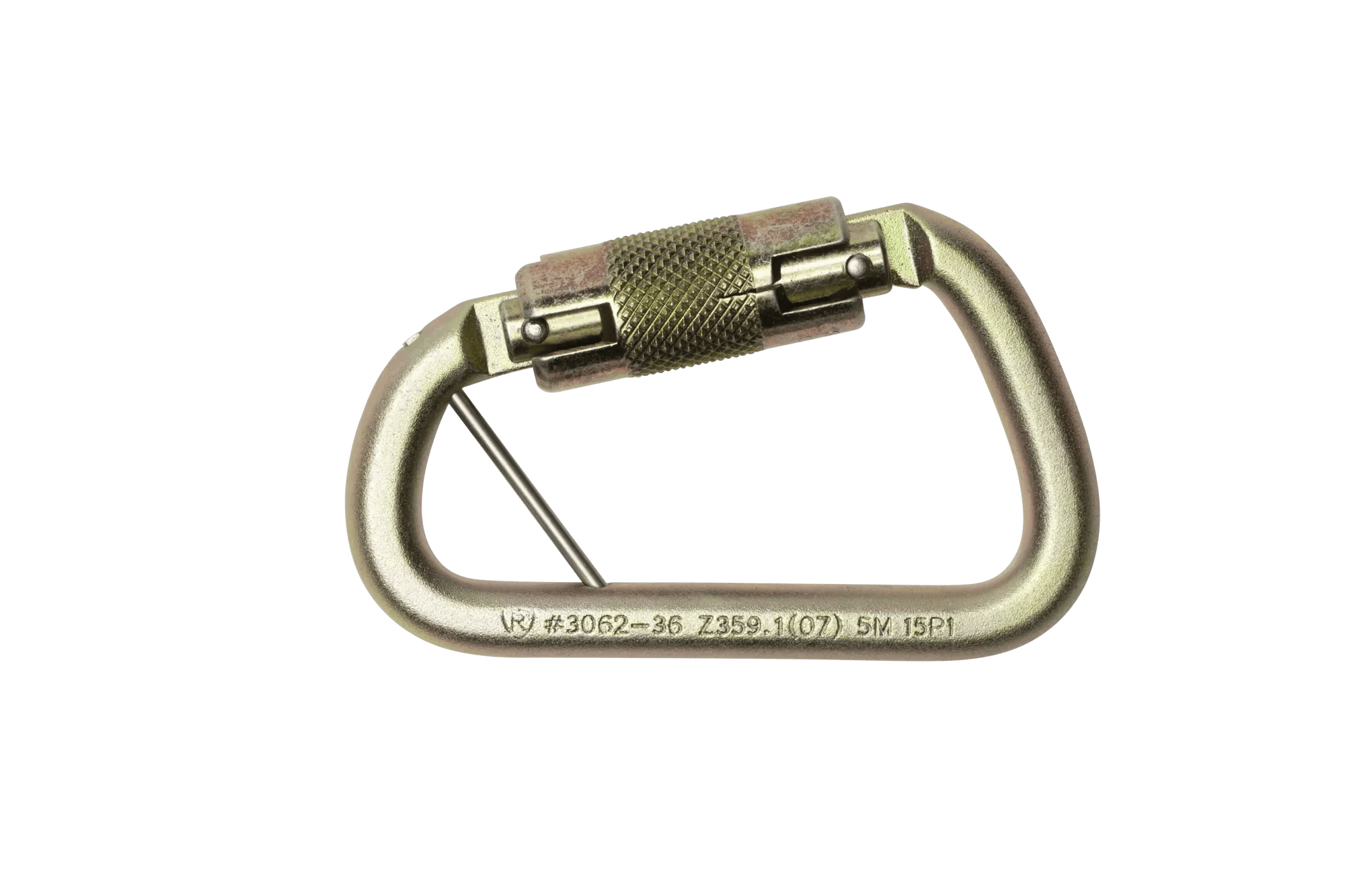
Generally yes, if the components are compatible. Connectors such as snap hooks and carabiners should meet ANSI Z359.12, which requires gates rated to 3,600 lb, and each component must be used within its own rating and instructions. A competent person should confirm that mixed components are compatible before use. Check the user instructions from both manufacturers, since some restrict mixing.
Unsure what gear is right for your needs?
Our experienced team of Fall Safety experts can help.